January is always a strange month in the car business. It arrives immediately after the most aggressive selling period of the year, when dealers push hard to hit year‑end targets, manufacturers flood the market with incentives, and buyers rush to make purchases before year-end. The first week of January usually feels like a hangover as the energy drops, the pace slows, and dealers spend the month recalibrating. But January 2026 has been different. Instead of a simple cooldown, it has become the first month in years where the market finally feels like it has shed the last remnants of pandemic‑era dealer inventory leverage.
The shift began in late fall, when inventory levels quietly stabilized across most mainstream brands. Not dramatically, not enough to create headlines, but enough to change the way managers thought about making deals. For the last several years, scarcity has been the defining feature of the market as dealers were used to having too few cars. They were used to holding firm on price because buyers had no leverage through alternatives. They were used to buyers accepting whatever trim or color was available. When inventory stabilized, even slightly, that entire mindset began to erode.
By December, the erosion was noticeable as days‑supply numbers crept upward and certain models that had been scarce for years were suddenly available in multiple trims. Certain segments, especially midsize SUVs and crossovers, began to show signs of available inventory. Dealers didn’t panic, because December traffic was strong enough to mask the shift. But they felt something they hadn’t felt in a long time: supply vulnerability. Scarcity had protected them and justified over-pricing. Scarcity had made negotiation easy. Without scarcity, they had to rely on selling skill again.
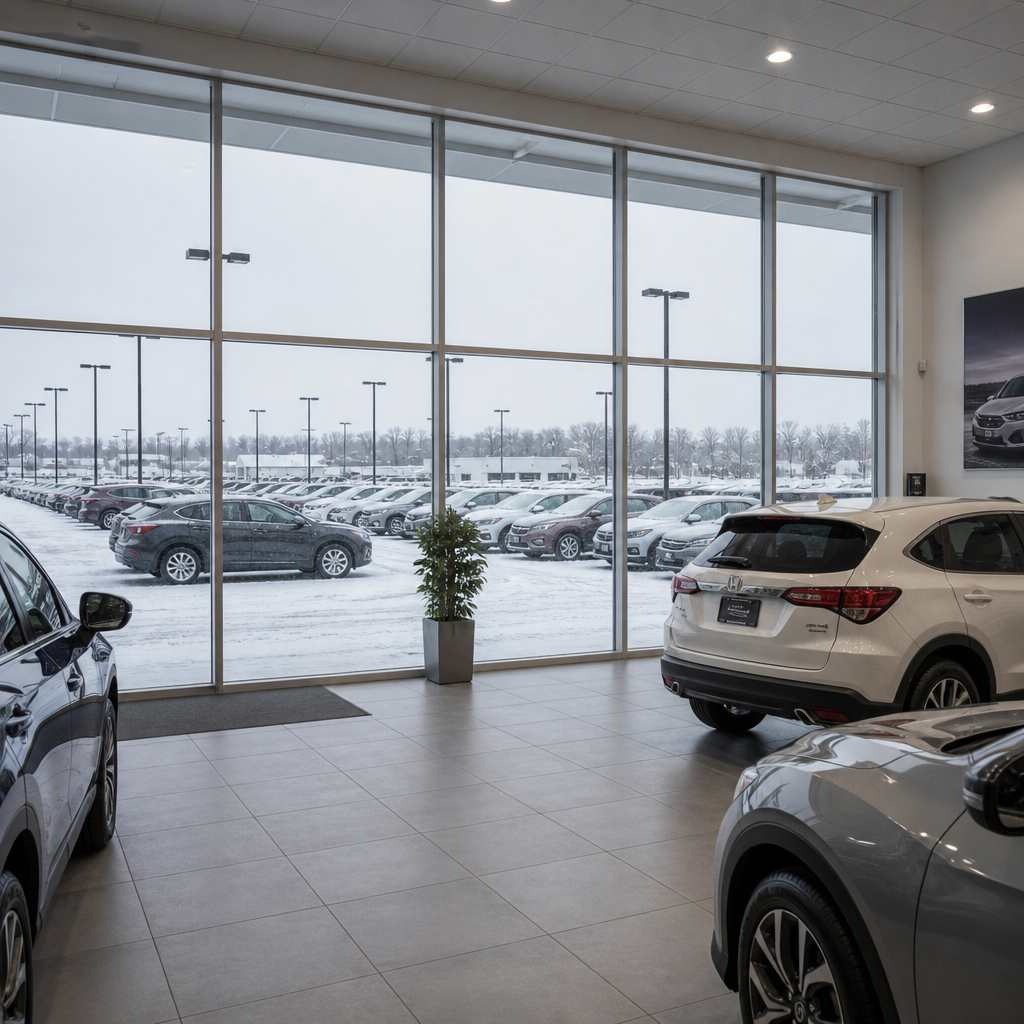
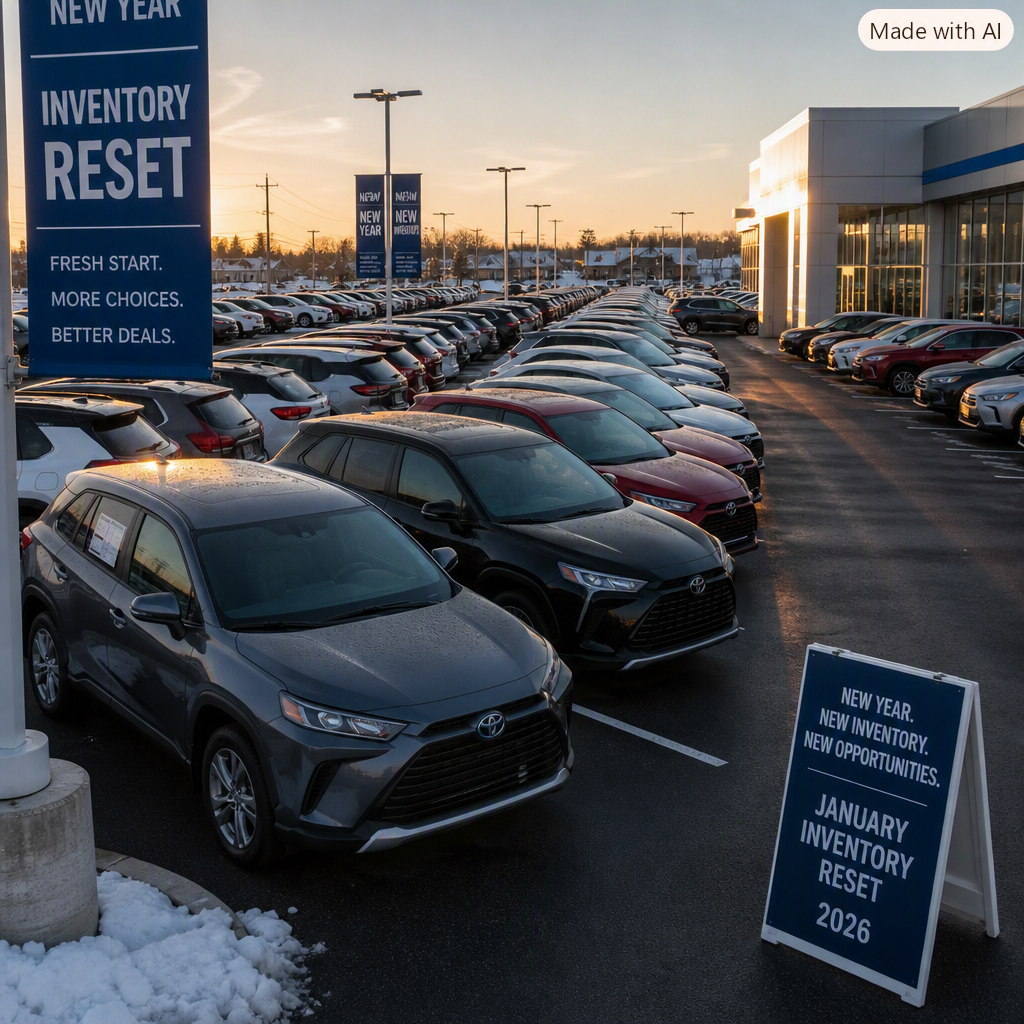
Walk the lot and you’ll see vehicles that would have been sold instantly last year now sitting for weeks. Walk the showroom and you’ll hear salespeople talking about “healthy inventory” in a tone that sounds more like reassurance than confidence. Walk the service lane and you’ll hear customers asking whether prices are finally coming down. The entire environment feels different in a way that makes dealers more cautious and buyers more assertive.
The new‑year inventory reset also reflects broader economic factors. Interest rates remain high enough to make monthly payments feel heavy. Insurance premiums have risen across several segments. Used‑car values have softened, reducing trade‑in equity for many buyers. Holiday spending has tightened budgets. Economic headlines are mixed. None of these factors are dramatic on their own, but together they create a kind of ambient hesitation that follows buyers into the showroom.
Dealers respond to that hesitation in ways that matter, watching days‑supply more closely. They start asking themselves questions they haven’t asked in years. How long has that SUV been sitting? How many more sedans are arriving next week? How many trucks do we really need? How many buyers walked away yesterday? How many deals fell apart in the finance office? How many incentives are the factory offering? How many units will we still have when February begins?
Those questions shape how they negotiate. Managers who expected to hold firm on pricing suddenly find themselves much more flexible. They don’t want to be caught with too much inventory when February shipments arrive or explain to the manufacturer why certain models aren’t moving. They don’t want aging units dragging down their performance metrics. They won’t say any of that directly, but you’ll see it in how quickly they respond to your counteroffers and how willing they are to adjust numbers that would have been untouchable last year.
When buyers sense that dealers are more flexible, they gain more negotiation leverage. They ask for transparent pricing through itemized quotes. They ask for out‑the‑door numbers. They ask for incentives. They ask for trade‑in transparency. They compare stores. They walk away from bad deals. That assertiveness forces dealers to work harder, and in January 2026, dealers are working harder than they have in the last few years.
If you’re flexible, January becomes a month where you can use the reset to your advantage. You don’t need to mention interest rates. You don’t need to talk about insurance premiums. You don’t need to reference economic headlines. You just need to pay attention to what’s actually aging on the lot. The vehicles parked in the same spots day after day are the ones managers want gone. The vehicles with older inspection stickers are the ones that have been sitting longer than they should. Those are the units you can negotiate successfully.
The negotiation itself becomes simpler because managers are more willing to bend. You tell them you’re serious about buying today if the numbers make sense. You tell them you’re focused on out‑the‑door price. You tell them you’re comparing multiple stores. You tell them you’re not here to waste time. They respond by trimming margins, removing add‑ons, and adjusting pricing in ways that reflect their desire to close deals in a month where buyers are more cautious than usual.
January 2026 is a reminder that the auto market isn’t just shaped by inventory and incentives. It’s shaped by dealer psychology, and dealer psychology is shaped by the balance between supply and demand. When inventory stabilizes and buyers hesitate, dealers lose momentum. When dealers lose momentum, they negotiate differently. Buyers who understand that dynamic can walk into a showroom this month and negotiate from a position of strength without ever mentioning the reset at all.