Electric vehicles have spent the last several years operating under a different set of rules than the rest of the market. They were immune to seasonal patterns, interest‑rate pressure, inventory swings and buyer hesitation. All being driven by fuel cost savings to counterbalance these additional costs.
If an EV showed up, it sold. If a buyer wanted one, they accepted whatever trim was available. If a dealer had one, they priced it confidently. That rhythm carried dealerships through supply chain chaos, through allocation shortages, through unpredictable production cycles. But January 2026 is the first month where EVs finally feel grounded.
The shift away from EV demand has happened gradually over the last quarter of 2025 and into the new year. EV shoppers began taking longer to make decisions. Dealers noticed the hesitation immediately as EV buyers used to walk in with a sense of urgency. They used to feel like they needed to act quickly before gas prices rose even more. They used to treat EVs as scarce and when urgency faded, the entire psychology of the segment shifted.
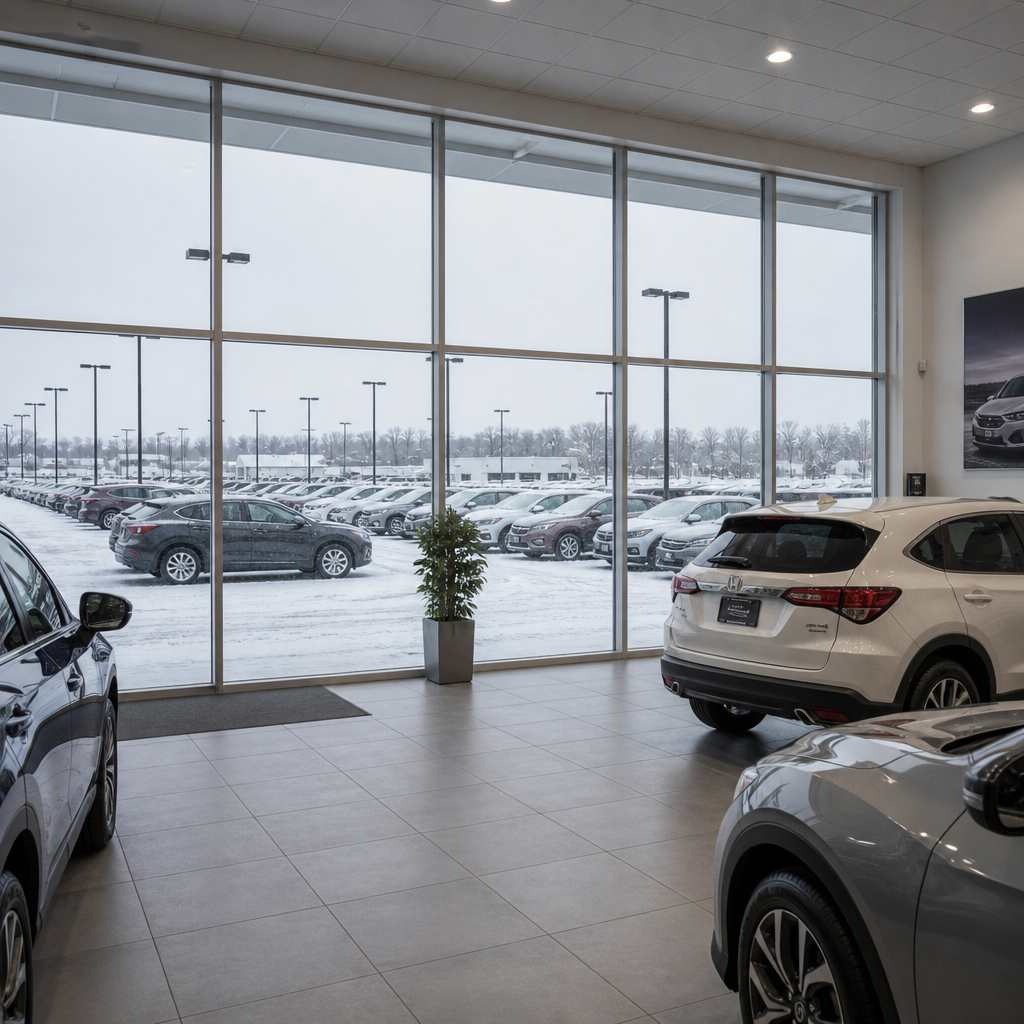
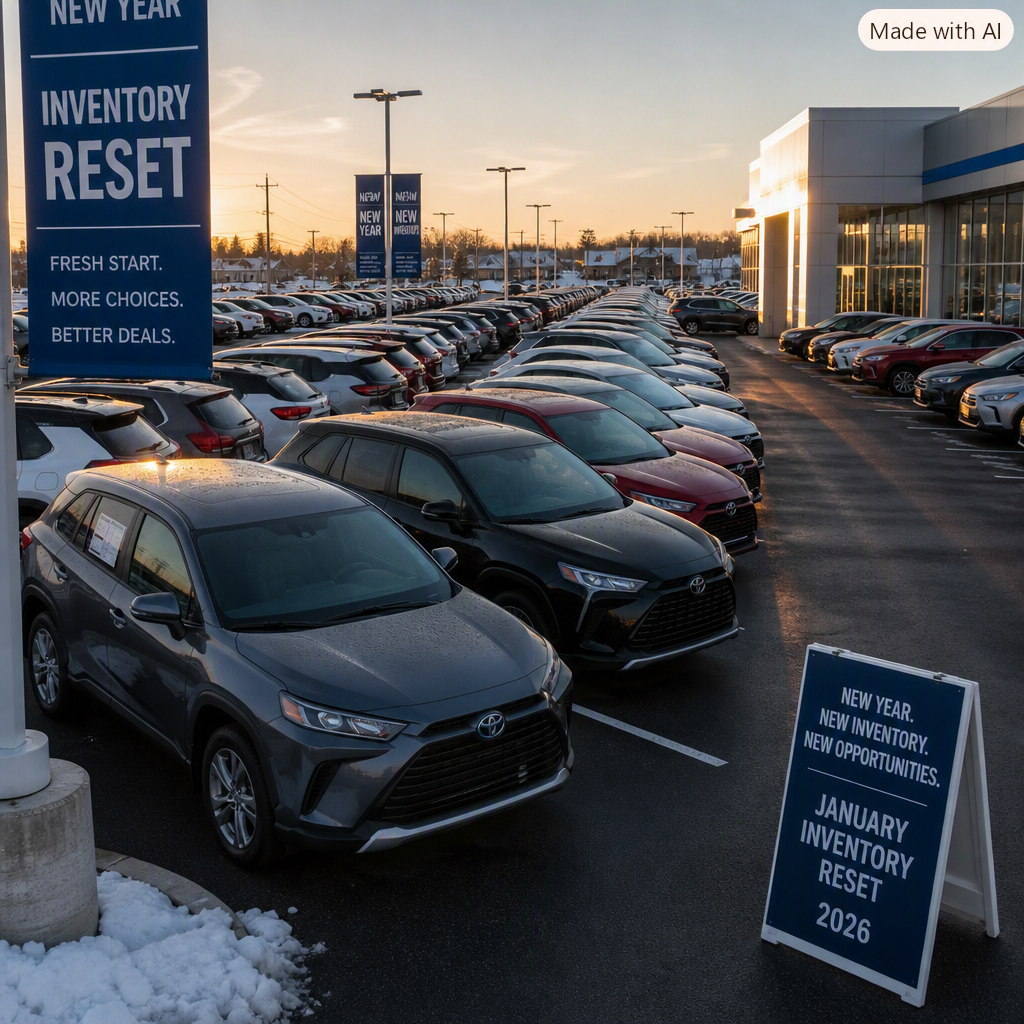
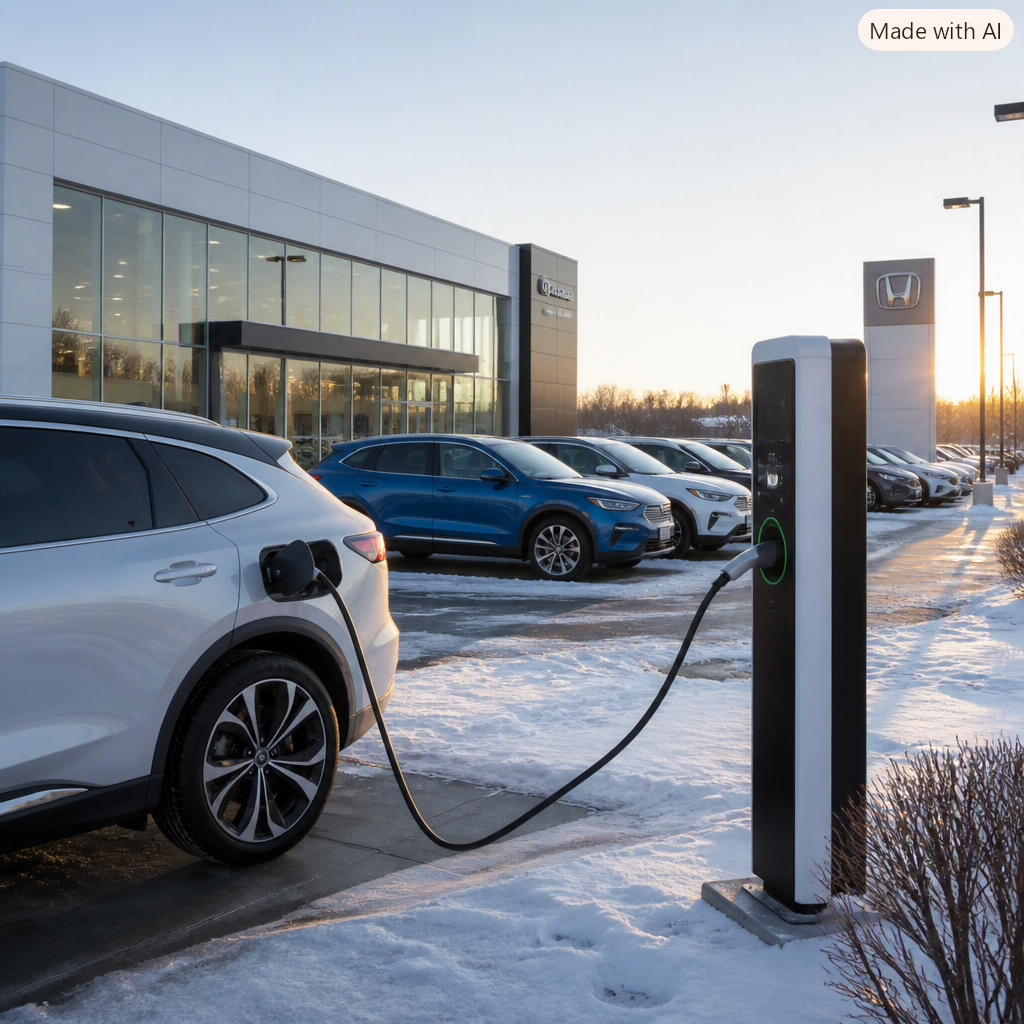
January is the first month where the cumulative effect of that shift is visible on the lot. Walk the EV row and you’ll see cars that have been parked long enough to gather a substantial layer of dust. You’ll see multiple units of the same trim and color, a sign that allocation arrived in batches rather than disappearing instantly. You’ll see EVs parked in secondary spots rather than front‑and‑center positions. You’ll see salespeople who used to treat EVs like trophies now treating them like second-rate inventory. They still talk about demand, but the tone is different. It’s softer. It’s more cautious. It’s less confident. They know buyers aren’t rushing to gas savings anymore.
The slowdown isn’t a collapse. It’s a plateau. EV demand is still strong, but it’s no longer outpacing supply. Manufacturers have spent the last two years ramping up production, expanding model lines, and pushing EVs into every segment. That expansion created more choice than ever, and choice changes buyer behavior. When buyers have too many options, they slow down. They compare. They wait. They think. Dealers rely heavily on psychology, and when buyers stop behaving with urgency, dealers lose leverage.
The plateau also reflects broader economic factors. Interest rates remain high enough to make monthly payments feel heavy. Even more significant than high interest rates, Insurance premiums for EVs have risen astronomically. This is especially true for younger buyers and owners of certain models. Charging infrastructure is improving, but not fast enough to erase hesitation for buyers who don’t want to think about where they’ll plug in. Battery‑replacement costs remain a topic of conversation, even if most concerns are exaggerated. Resale values continue to decline dramatically across all models. None of these factors are dramatic on their own, but together they create a kind of ambient caution that follows buyers into the showroom.
Dealers respond to that caution in ways that matter. They become more flexible. They become more accommodating. They become more willing to trim margins. They become more eager to close deals. They won’t say any of that directly, but you’ll see it in how quickly they respond to your counteroffers and how willing they are to adjust numbers that would have been untouchable last year.
Walk the lot in January and you’ll see the EVs that give you leverage. They’re the ones that repeat. They’re the ones parked in the same spots day after day. They’re the ones with inspection stickers from December. They’re the ones the salesperson shows you first, even if you didn’t ask. Those are the units managers want gone before the next shipment arrives.
The negotiation becomes straightforward because managers are more willing to bend. You tell them you’re serious about buying today if the numbers make sense. You tell them you’re focused on out‑the‑door price. You tell them you’re comparing multiple stores. You tell them you’re not here to waste time. They respond by trimming margins, removing add‑ons, and adjusting pricing in ways that reflect their desire to close deals in a month where EV buyers are more cautious than they used to be.
January 2026 is the first month where EV buyers can behave like traditional car buyers again. They can compare stores. They can play offers against each other. They can push for better deals. They can walk away when the math doesn’t work. The segment is still important. The future is still electric. But the present, right now, is negotiable. Buyers who understand that dynamic can walk into a showroom this month and negotiate from a position of strength without ever mentioning the slowdown at all.