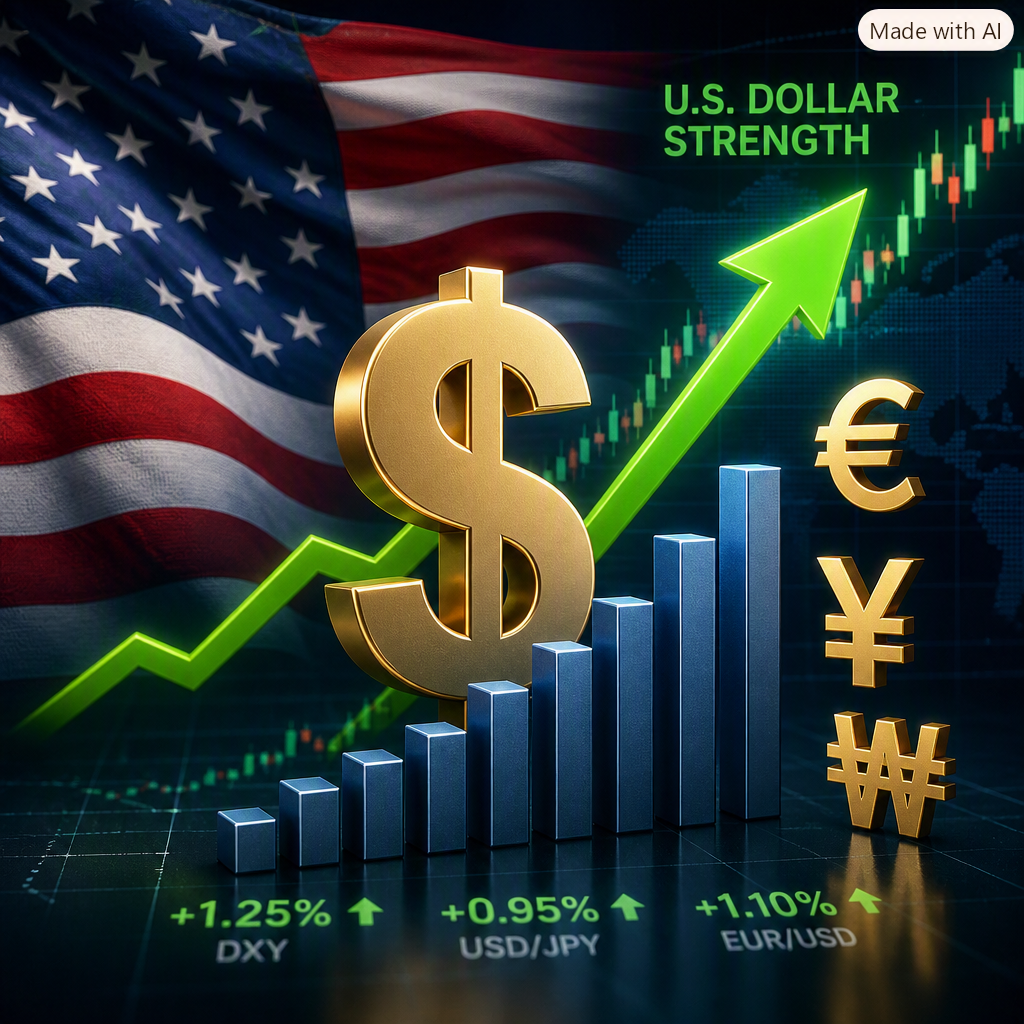
By the final week of February 2026, the dealership conversation had shifted again — this time from domestic anxiety to international economics. The U.S. dollar had surged against the yen and the won, climbing to multi‑year highs. It wasn’t a headline that most buyers noticed, but inside dealership offices, it changed everything. Import pricing, factory incentives, and negotiation posture all began to bend under the weight of currency strength.
Managers who tracked macro data saw it first. Exchange‑rate charts that had been stable for months suddenly tilted upward. A stronger dollar meant cheaper landed costs for Japanese and Korean automakers, and that advantage rippled through allocation sheets. Vehicles that had been marginally profitable in January became strategic weapons in February. Dealers selling Toyota, Honda, Hyundai, and Kia found themselves with unexpected pricing flexibility — not because of domestic incentives, but because of global currency math.
The showroom effect was subtle but powerful. Buyers didn’t know why certain models suddenly carried sharper lease offers or lower APRs; they just felt the market loosen. Imports became more competitive against domestic brands, and negotiation dynamics shifted overnight. A buyer comparing a Ford Escape and a Hyundai Tucson found the Tucson’s payment inexplicably lighter. A manager comparing gross margins realized the math had changed — not from factory generosity, but from exchange‑rate advantage.
Domestic dealers felt the pressure immediately. The strong dollar made imported vehicles cheaper to land, which meant domestic manufacturers had to defend their pricing without the same flexibility. Incentive departments scrambled. Marketing teams adjusted messaging. The tone of February’s advertising changed from “innovation” to “value.” The macro‑economic tide had turned, and dealerships were forced to surf it whether they understood it or not.
Finance offices began noticing a new pattern: buyers cross‑shopping brands they hadn’t considered before. A customer who had always bought American suddenly asked about a Japanese hybrid. A loyal domestic‑brand owner started comparing Korean SUVs. The conversation wasn’t ideological — it was mathematical. The strong dollar had made imports feel like bargains, and buyers responded instinctively. Managers adapted quickly. They re‑evaluated pricing strategy, adjusted advertising budgets, and re‑trained sales teams to emphasize comparative value. They stopped selling “heritage” and started selling “efficiency.” They learned how to talk about global economics without sounding like economists. The best dealerships turned the currency swing into a narrative: “Global markets are shifting — right now, imports are landing cheaper, and we’re passing that advantage directly to you.” It worked.
The macro‑economic backdrop was complex. The dollar’s strength was driven by a combination of factors: cautious Fed policy, resilient U.S. growth, and weaker Asian export demand. Currency traders saw opportunity; dealerships saw leverage. The ripple wasn’t dramatic enough to make headlines, but it was strong enough to reshape showroom behavior.
In coastal markets, where import penetration was already high, the effect was amplified. Dealers in Los Angeles, Miami, and New York reported record‑level competitiveness among Asian brands. Domestic stores felt squeezed. Managers who had spent years defending American pricing found themselves explaining why a Japanese SUV offered more features for less money. The conversation wasn’t about patriotism — it was about arithmetic. The strong dollar also affected supply chains. Parts costs for imported components dropped, improving service‑department margins. Dealers who stocked OEM parts from overseas saw their cost of goods fall slightly, creating unexpected breathing room. Service managers noticed it before accountants did — invoices looked lighter, and profitability ticked upward. It was a rare moment where macro‑economics helped the back end as much as the front.
Buyers benefited most. Lease offers improved. APRs softened. Inventory availability increased. The market felt momentarily generous, even though the generosity came from currency strength rather than corporate benevolence. For a brief window, February 2026 became a buyer’s market for imports — not because demand collapsed, but because economics tilted in their favor.
Domestic brands responded with urgency. Incentives were quietly expanded. Marketing campaigns emphasized “built here” pride and long‑term reliability. Some manufacturers accelerated plans for hybrid and EV models to compete on efficiency rather than price. The competition wasn’t emotional; it was strategic. Everyone understood that the strong dollar wouldn’t last forever, but while it did, it distorted the battlefield.
Inside dealerships, the tone was pragmatic. Managers didn’t celebrate the advantage — they exploited it. They adjusted floor plans, re‑weighted advertising spend, and re‑trained staff to highlight comparative value. They knew the window could close at any time. Currency swings are fickle; what helps in February can hurt by April. The best operators treated the moment as temporary leverage, not permanent relief.
By the end of the month, the ripple had reached even the smallest markets. Buyers who had never thought about exchange rates were unknowingly benefiting from them. Salespeople who had never mentioned global economics were suddenly referencing “import advantage.” The dealership ecosystem had absorbed another macro‑economic distortion and turned it into opportunity.
The strong dollar didn’t create chaos — it created clarity. It reminded everyone that the automotive market is global, that pricing isn’t just local, and that dealership strategy lives inside a web of international forces. When the dollar moves, everything moves — from allocation to advertising to negotiation tone. February 2026 closed with a strange equilibrium. Imports were thriving, domestics were adapting, and buyers were enjoying a brief moment of leverage. The currency swing had reshaped dealership behavior without a single headline. It was a quiet macro‑economic event with loud local consequences — the kind of month that proves how global economics can rewrite the psychology of a car deal without anyone realizing it.